Nieuws en events
The Future-Proof Regulation Symposium
On November 17-18, researchers and regulatory practitioners gathered in The Hague for the Future-Proof Regulation Symposium.
The Symposium was dedicated to deepening our understanding of how regulatory oversight can remain effective, legitimate, and adaptive in a rapidly evolving societal context. It brought together scholarly experts and those working in regulatory agencies and inspectorates to share their challenges and ideas for the future.
This event was hosted by the Dutch Research Council (NWO) and organized in collaboration with the Dutch Inspection Council (Inspectieraad) and scholars in the Innovation of Supervision programme (Vernieuwing van Toezicht), from the RUN, EISON, and Supervision with Authority (Toezicht met Gezag) projects.
The first day focused on academic research, featuring scholars from the Netherlands and abroad. Researchers from diverse disciplines shared insights into the problems facing regulators today, as well as potential strategies and solutions. Session topics included Citizen-centric and values-driven regulation, Reflexive and adaptive regulation, Networks and accountability, and Supervising the digital economy.
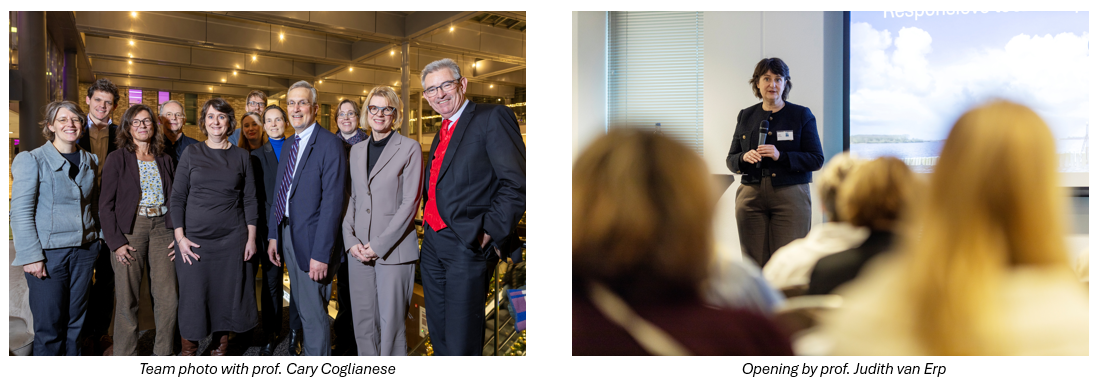
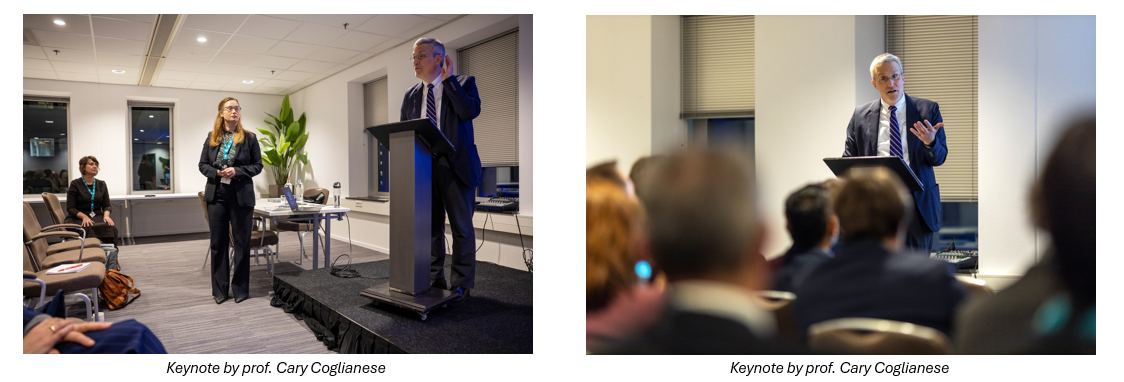
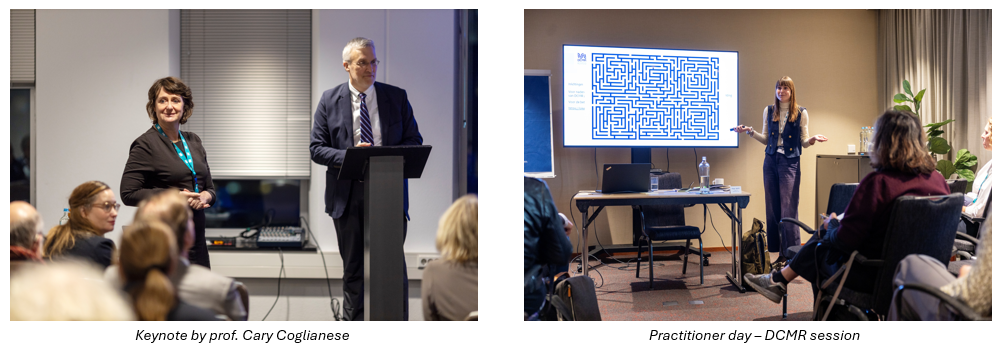
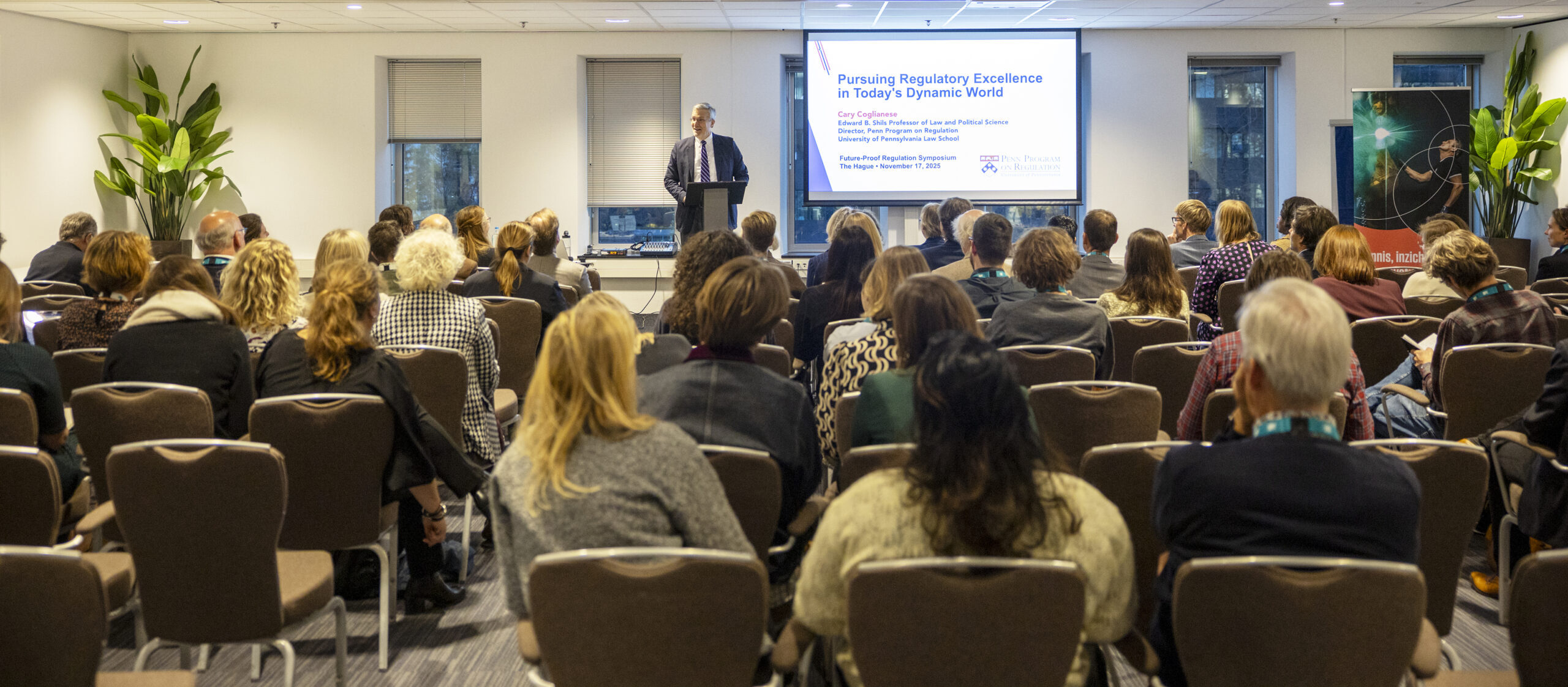
Academic sessions were capped off with an inspiring keynote address by Professor Cary Coglianese, a globally recognised authority in regulatory law and policy from the University of Pennsylvania. His lecture, titled “Pursuing Regulatory Excellence in Today’s Dynamic World,” offered a compelling call to view regulation not as a static framework but as a verb—a continuous, adaptive process. Professor Coglianese underlined that regulatory excellence requires not just technical competence, but also empathy, public engagement, and a consistent commitment to the public interest. He reminded attendees of the importance of telling “the agency’s story”—making regulatory achievements visible and reinforcing public trust through transparency and meaningful communication.
The second Symposium day was dedicated to practitioner engagement and exchange. Regulatory professionals from agencies including the ILT (Inspectorate for the Environment and Transport), IGJ (Health and Youth Care Inspectorate), NZa (Dutch Healthcare Authority), Arbeidsinspectie (the Labour Inspectorate), Onderwijsinspectie (Inspectorate of Education), and DCMR (Environmental Management Service Rijnmond) showcased how these agencies are seeking to ‘future-proof’ their regimes. Many regulators are innovating how they deliver regulation, for example through prioritizing oversight based on societal impact and supervising via networks. Further, many regulators discussed a greater focus on societal engagement, public values, and transparent communication.
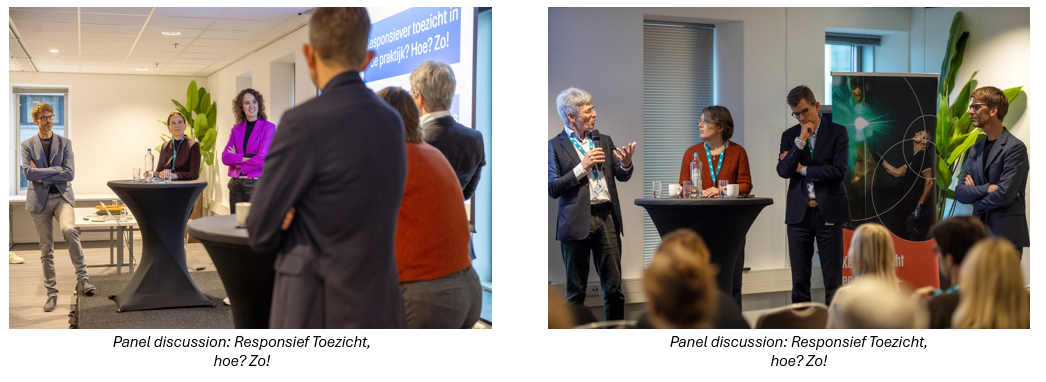
A highlight of the practitioner day was the panel discussion “Responsief Toezicht, hoe? Zo!” (Responsive regulation, how? Like so!). Reflecting the goals of the Symposium, the panel included both practitioners and researchers.
Representing the practitioners were Theodor Kockelkoren of SoDM (State Supervision of Mines), Karina Raaijmakers of the NZa (Dutch Healthcare Authority), and Matthijs van den Berg of the Onderwijsinspectie (Inspectorate of Education). Melanie Ehren of VU Amsterdam and Meike Bokhorst of the WRR (Scientific Council for Government Policy) presented a scholarly perspective. This dialogue highlighted the thorny challenges of regulating in turbulent times, but also the value of cross-sector and research-practitioner dialogues in finding ways forward.
The ‘Toezicht met Gezag’ team contributed extensively during the Symposium.
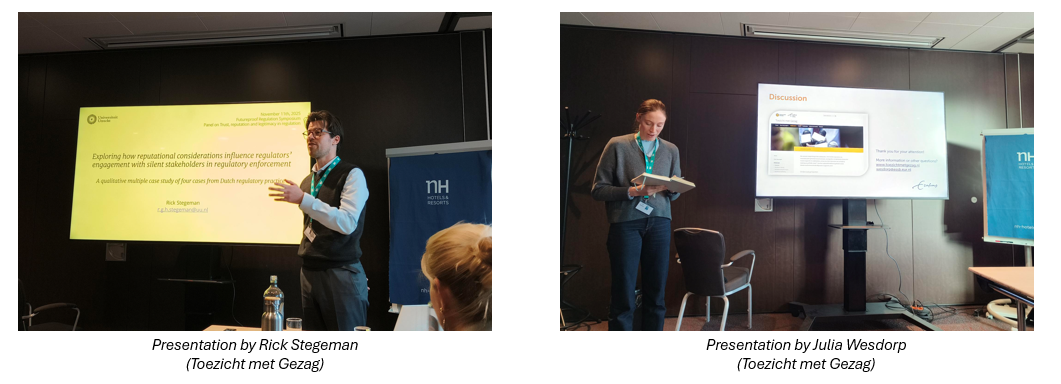
- Rick Stegeman discussed planned research on a comparative case study examining how regulatory agencies manage reputation when faced with conflicted audience networks.
- Julia Wesdorp informed her panel about ongoing research conducted with Stephan Grimmelikhuijsen into what makes regulatory agencies credible in the eyes of citizens. She also presented here research that she performed with Erik Hans Klijn on the strategic behavior of non-regulatory actors.
- Lauren Fahy presented results from a survey experiment study about what kind of regulatory agency reputation drives regulatory compliance with workplace health and safety rules, and discussed plans for an upcoming focus group study on the same topic.
- Judith van Erp introduced and closed the symposium, reflecting on the importance of continued collaboration between researchers and supervisory authorities in tackling ‘future-proofing’ regulation.
- During the practitioners day, Stephan Grimmelikhuijsen and Erik Hans Klijn provided feedback in the practitioners session of DCMR (Environmental Management Service Rijnmond) and the NZa (Dutch Healthcare Authority).
Below you can find an impression of both days.